

Kidney Disease Treatment in Bhopal is an important consideration for young adults who experience persistent changes in urination, unexplained swelling, high blood pressure, or other possible signs of kidney problems. Kidney disease is often associated with older people, but it can also affect teenagers and young adults. In some cases, kidney problems develop gradually without noticeable symptoms during the early stages. The kidneys perform several essential functions, including removing waste products from the blood, balancing fluids and minerals, helping regulate blood pressure, and supporting red blood cell production. When kidney function becomes impaired, these processes may be affected. Early evaluation can help identify the underlying cause and determine whether treatment or regular monitoring is necessary.
Many young adults overlook risk factors such as uncontrolled blood pressure, diabetes, family history, repeated dehydration, certain medication habits, and autoimmune conditions. Some people may also have inherited kidney disorders or previous kidney infections that increase their risk. Consulting a Nephrologist in Shahpura Lake Bhopal can help people understand their symptoms, assess kidney function, and receive appropriate medical guidance. Dr Harshita Sharma can be considered for consultation regarding kidney health, subject to confirmation of her current clinical practice and available services. This article explains the lesser-known causes of kidney disease in young adults, the symptoms that deserve attention, the tests doctors may recommend, and practical steps that can support long-term kidney health.
What Is Kidney Disease, and Can It Affect Young Adults?
Kidney disease refers to conditions that affect the kidneys’ ability to function properly. These conditions may develop suddenly, as in acute kidney injury, or progress over months and years, as in chronic kidney disease. Chronic kidney disease occurs when abnormalities in kidney structure or function persist for at least three months. The condition may progress slowly, and a person can feel healthy even when kidney function has started to decline.
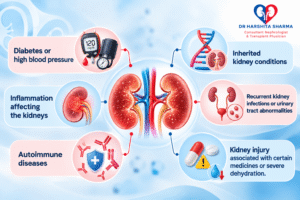
Young adults may develop kidney disease because of several factors, including:
- Diabetes or high blood pressure.
- Inherited kidney conditions.
- Inflammation affecting the kidneys.
- Recurrent kidney infections or urinary tract abnormalities.
- Autoimmune diseases.
- Kidney injury associated with certain medicines or severe dehydration.
Not every kidney problem leads to permanent damage. Some conditions are treatable, and others can be managed with appropriate monitoring and lifestyle changes. The outcome depends on the cause, severity, and timing of diagnosis. People seeking Kidney Disease Treatment in Shahpura Lake Bhopal should understand that treatment is not the same for everyone. A doctor first needs to determine what is affecting the kidneys before recommending an appropriate plan.
What Are the Risk Factors for Kidney Disease That Young Adults Often Overlook?
Several risk factors can affect kidney health long before obvious symptoms appear. Recognizing them early can help young adults seek medical advice before a problem becomes more serious.
1. High Blood Pressure at a Young Age
High blood pressure is an important risk factor for kidney disease. The kidneys contain many small blood vessels that help filter waste from the blood. Persistently elevated blood pressure can damage these vessels over time. The relationship also works in the opposite direction. Damaged kidneys may struggle to regulate salt and fluid balance, which can contribute to higher blood pressure. Young adults should not assume that hypertension only affects older people. Family history, excess salt intake, obesity, certain medical conditions, and lifestyle factors can contribute to elevated blood pressure. Blood pressure checks are particularly important for people with a family history of hypertension or known kidney problems.
2. Diabetes and Insulin Resistance
Diabetes can damage the small blood vessels inside the kidneys. Over time, this may reduce the kidneys’ filtering ability and lead to diabetic kidney disease. Although type 2 diabetes is more common in older adults, it can also occur in younger people. Type 1 diabetes can develop during childhood or young adulthood and may also affect kidney health over time. People with diabetes should follow their clinician’s recommendations for blood glucose monitoring, blood pressure management, urine albumin testing, and kidney function assessment. Early monitoring can help identify kidney changes before symptoms develop.
3. Family History and Inherited Kidney Disorders
Some kidney conditions run in families. Polycystic kidney disease, for example, is an inherited condition in which fluid-filled cysts develop in the kidneys. Certain inherited disorders can affect kidney structure, filtration, or the urinary tract. A family history of kidney failure, cystic kidney disease, or unexplained kidney problems may justify discussing screening with a healthcare professional. A Kidney Specialist in Shahpura Lake Bhopal can assess the relevance of family history and determine whether blood tests, urine tests, imaging, or genetic evaluation may be appropriate. Having a relative with kidney disease does not automatically mean that a young adult will develop the condition. However, it is useful information during a medical assessment.
4. Repeated Dehydration
The body needs adequate fluid to maintain normal circulation and kidney function. Severe dehydration can reduce blood flow to the kidneys and may contribute to acute kidney injury. Young adults who exercise intensely, work outdoors in hot weather, experience vomiting or diarrhoea, or regularly ignore thirst may be at greater risk of dehydration. Drinking water regularly and replacing fluids lost during illness or physical activity can help maintain hydration. However, fluid requirements vary, and people with advanced kidney disease or certain heart conditions may need specific fluid advice from their doctors.
5. Frequent Use of Certain Painkillers
Some medicines can affect kidney function, particularly when used frequently, at high doses, or during dehydration. Non-steroidal anti-inflammatory drugs, commonly called NSAIDs, include medicines such as ibuprofen and naproxen. These medicines can reduce blood flow to the kidneys in susceptible individuals. The risk may be greater in people with existing kidney disease, dehydration, or certain other medical conditions. Young adults should avoid taking painkillers regularly without understanding their risks. People who need frequent pain relief should discuss safer options with a healthcare professional rather than stopping prescribed medicines or replacing them independently.
6. Autoimmune and Inflammatory Conditions
Conditions such as lupus can affect the kidneys and cause inflammation. Some forms of glomerulonephritis also affect the kidney’s filtering units. These conditions may occur in young adults and can sometimes cause blood in the urine, protein in the urine, swelling, high blood pressure, or changes in kidney function. Symptoms vary, and some people may initially have very few signs. Persistent abnormalities in urine or blood tests require appropriate medical evaluation.
7. Obesity and Unhealthy Lifestyle Patterns
Excess body weight can increase the risk of diabetes and high blood pressure, both of which are major contributors to kidney disease. A sedentary lifestyle and dietary patterns high in sodium may also contribute to these risks. The aim should not be to follow extreme diets or pursue rapid weight loss. Instead, sustainable habits such as regular physical activity, balanced meals, adequate sleep, and appropriate blood pressure and glucose monitoring can support overall health. Young adults who have several risk factors should discuss an appropriate screening plan with their healthcare provider.
8. Previous Kidney Injury or Recurrent Infections
A previous episode of acute kidney injury may increase the risk of future kidney problems, particularly if kidney function did not fully recover. Some urinary tract abnormalities and recurrent kidney infections can also contribute to long-term damage. Symptoms such as fever with pain in the back or side, painful urination, or persistent urinary changes should be evaluated when appropriate. Repeated infections should not be ignored, especially when accompanied by fever or other signs of a kidney infection.
What Are the Early Warning Signs of Kidney Disease?
Kidney disease may remain silent during its early stages. Symptoms often become more noticeable when kidney function declines or when the underlying condition causes other changes in the body.
Possible warning signs include:
- Changes in urination: Urinating more or less frequently than usual, particularly when the change persists.
- Foamy urine: Repeatedly foamy urine may indicate excess protein, although foam alone does not confirm kidney disease.
- Blood in the urine: Pink, red, or brown urine needs medical evaluation.
- Swelling: Puffiness around the eyes or swelling of the ankles, feet, or legs may occur when the body retains fluid.
- Persistent fatigue: Reduced kidney function can contribute to anaemia and tiredness.
- High blood pressure: New or difficult-to-control hypertension may be associated with kidney problems.
- Reduced appetite or nausea: These symptoms may occur in more advanced disease but have many other possible causes.
- Pain in the side or back: This may be related to kidney stones, infection, or other conditions; many chronic kidney disorders do not cause pain.
These symptoms do not necessarily mean that a person has kidney disease. However, persistent or unexplained changes should be assessed rather than ignored. A Nephrologist in Bhopal can help evaluate suspected kidney problems and determine whether further investigation is needed.
How Is Kidney Disease Diagnosed in Young Adults?
Diagnosis usually begins with a review of symptoms, medical history, family history, medicines, blood pressure, and physical examination. Doctors may recommend different tests depending on the suspected cause.
Blood Tests
A serum creatinine test helps assess kidney function. The estimated glomerular filtration rate, or eGFR, is calculated using creatinine and other relevant information to estimate how well the kidneys filter blood. A single abnormal result does not always establish chronic kidney disease. Doctors may repeat tests and review previous results to determine whether the problem is persistent or acute.
Urine Tests
Urine testing can identify blood, protein, or other abnormalities. A urine albumin-to-creatinine ratio is often used to assess albumin in the urine, which can be an early marker of kidney damage. Depending on the findings, additional urine testing may be recommended.
Blood Pressure and Blood Glucose Assessment
Blood pressure measurement is important because hypertension can both contribute to kidney damage and result from it. Blood glucose testing may be recommended when diabetes is suspected or when a person has relevant risk factors.
Imaging and Other Investigations
An ultrasound of the kidneys and urinary tract may help identify structural abnormalities, cysts, stones, or obstruction. Other imaging or specialist investigations may be necessary in selected cases. A kidney biopsy may be considered when the cause of kidney disease remains uncertain and tissue examination could influence treatment. People looking for Kidney Disease Treatment in Bhopal should know that the diagnostic process depends on individual symptoms and test results. Not every patient requires every investigation.
Can Kidney Disease Be Prevented in Young Adults?
Not all kidney diseases are preventable, particularly inherited or autoimmune conditions. However, several steps can reduce the risk of kidney damage or help identify problems early.
- Monitor blood pressure: Check it periodically, particularly if hypertension runs in the family.
- Manage diabetes: Follow medical advice for glucose control and recommended kidney screening.
- Stay hydrated: Drink enough fluids for your activity level and environment, unless your doctor has advised a fluid restriction.
- Use medicines responsibly: Avoid frequent self-medication with painkillers and discuss medicine risks with your clinician.
- Reduce excess sodium: Limit very salty packaged foods and avoid routinely adding excessive salt.
- Maintain regular physical activity: Choose sustainable activity that suits your health and fitness.
- Avoid smoking: Smoking can increase cardiovascular risks and may worsen health outcomes in people with kidney disease.
- Attend recommended health checks: People with diabetes, hypertension, or a strong family history may need regular blood and urine tests.
Do not take unverified supplements or herbal products marketed as kidney cleansers. Some products can contain ingredients that harm the kidneys or interact with prescribed medicines.
How Can Dr Harshita Sharma Help With Kidney Concerns?
Dr Harshita Sharma is identified for this article as a nephrologist. Nephrologists specialize in evaluating and managing medical conditions that affect kidney function. Their work may involve diagnosing kidney disease, managing hypertension related to kidney problems, monitoring chronic kidney disease, and coordinating care for complications. Patients consulting Dr Harshita Sharma should discuss their symptoms, medical history, current medicines, and any previous blood or urine test results. This information can help the treating clinician decide which investigations are appropriate.
A Kidney Specialist in Bhopal may be involved in the medical management of conditions such as chronic kidney disease, glomerular disorders, electrolyte imbalances, and kidney-related complications of diabetes or hypertension, depending on the clinician’s scope of practice. Nephrologists also coordinate with other specialists when kidney problems occur alongside diabetes, heart disease, autoimmune disorders, or urinary tract conditions. Dr Harshita Sharma’s qualifications, hospital affiliation, years of experience, and available clinical services should be verified from official professional information before being added to this section of a published website.
Why Is Timely Kidney Evaluation Important?
Kidney disease can affect people differently. Some patients may have a temporary problem that improves after the underlying cause is treated, while others may need long-term monitoring and treatment.
Early evaluation can help clinicians:
- Identify potentially reversible causes of kidney dysfunction.
- Assess whether high blood pressure or diabetes is affecting the kidneys.
- Monitor changes in creatinine, eGFR, and urine albumin.
- Review medicines that may affect kidney function.
- Recommend appropriate dietary changes when necessary.
- Plan follow-up testing based on the severity and cause of the condition.
The goal is to protect kidney function where possible, manage symptoms, and reduce the risk of complications. No treatment can guarantee a particular outcome, and the appropriate approach depends on the diagnosis.
Why Should Patients in Bhopal Seek Appropriate Kidney Care?
Access to appropriate medical assessment can make it easier for patients to understand abnormal test results and receive a suitable follow-up plan. People in Bhopal who have persistent urinary changes, high blood pressure, diabetes, a family history of kidney disease, or previously abnormal kidney tests may benefit from discussing their risk with a healthcare professional.
When considering Kidney Disease Treatment in Bhopal, patients should check the clinician’s relevant qualifications, available facilities, appointment arrangements, and the types of kidney conditions managed at the practice. A Nephrologist in Bhopal may recommend routine monitoring for some patients, medicines for specific conditions, or referral for further investigations when needed. Patients with advanced kidney disease may require coordinated care involving a hospital team and other specialists. Bring previous medical records and a current medicine list to appointments. These details can help avoid unnecessary repetition of tests and support better-informed clinical decisions.
When Should You Seek Medical Attention?
Do not wait for severe symptoms if you have risk factors or persistent changes that may indicate a kidney problem.
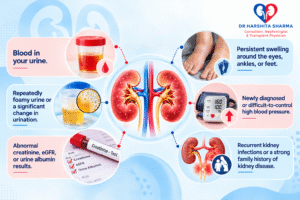
Arrange a medical assessment if you experience:
- Blood in your urine.
- Persistent swelling around the eyes, ankles, or feet.
- Repeatedly foamy urine or a significant change in urination.
- Newly diagnosed or difficult-to-control high blood pressure.
- Abnormal creatinine, eGFR, or urine albumin results.
- Recurrent kidney infections or a strong family history of kidney disease.
Seek urgent medical attention if you have very little or no urine, severe breathlessness, confusion, fainting, severe weakness, or rapidly worsening swelling. Fever with severe side or back pain, particularly with vomiting or urinary symptoms, may also require urgent evaluation. Do not rely on symptoms alone to assess kidney function. Blood and urine tests may reveal problems before obvious warning signs develop.
Frequently Asked Questions – Nephrologist in Bhopal
1. Can young adults develop kidney disease, and when should they seek Kidney Disease Treatment in Bhopal?
Yes, young adults can develop kidney disease due to diabetes, high blood pressure, inherited conditions, autoimmune disorders, recurrent infections, severe dehydration, and certain medicines. Some kidney problems may not cause noticeable symptoms in the early stages. If a young adult has persistent urinary changes, swelling, abnormal kidney test results, or other risk factors, seeking Kidney Disease Treatment in Bhopal can help identify the underlying cause and determine appropriate care.
2. What are the early symptoms that may require a Kidney Specialist in Bhopal?
Early kidney disease may not always cause obvious symptoms. Possible warning signs include changes in urination, repeatedly foamy urine, blood in the urine, swelling around the eyes or ankles, persistent fatigue, and high blood pressure. These symptoms can have several causes, so they should not be used for self-diagnosis. A Kidney Specialist in Bhopal can evaluate symptoms and recommend blood tests, urine tests, imaging, or other investigations when appropriate.
3. When should I consult a Nephrologist in Bhopal for kidney problems?
You may need to consult a Nephrologist in Bhopal if you have persistent protein or blood in your urine, abnormal creatinine or eGFR results, difficult-to-control high blood pressure, chronic kidney disease, or a strong family history of kidney problems. Specialist evaluation may also be appropriate when diabetes or an autoimmune condition is affecting kidney health. The urgency depends on your symptoms, medical history, and test results.
4. Can dehydration increase the need for Kidney Disease Treatment in Bhopal?
Severe dehydration can reduce blood flow to the kidneys and contribute to acute kidney injury. This may occur during prolonged vomiting, diarrhoea, intense exercise, or significant fluid loss in hot weather. Adequate hydration is generally important, although people with certain kidney or heart conditions may have specific fluid restrictions. If dehydration is severe or urine output becomes very low, medical evaluation may be necessary. Appropriate Kidney Disease Treatment in Bhopal depends on the cause and severity of kidney dysfunction.
5. What tests may a Kidney Specialist in Bhopal recommend for kidney disease?
A Kidney Specialist in Bhopal may recommend blood and urine tests to evaluate kidney function. Serum creatinine and estimated glomerular filtration rate help assess filtration, while urine testing can detect blood or excess protein. Blood pressure and blood glucose may also be checked because hypertension and diabetes are important kidney disease risk factors. Depending on the suspected cause, an ultrasound or additional investigations may be recommended.
6. Is kidney disease always permanent, or can a Nephrologist in Bhopal help manage it?
Not every kidney problem is permanent. Some forms of acute kidney injury may improve when the underlying cause is identified and treated. Chronic kidney disease involves persistent abnormalities in kidney structure or function and may require long-term monitoring. A Nephrologist in Bhopal can evaluate the cause and severity of kidney disease and recommend appropriate management. Treatment may involve medicines, lifestyle changes, monitoring, or other interventions depending on the individual condition.
7. How can I choose the right Kidney Specialist in Bhopal?
When choosing a Kidney Specialist in Bhopal, consider the doctor’s relevant medical qualifications, nephrology specialization, professional registration, clinical experience, and current hospital or clinic affiliation. It is also useful to check whether the doctor manages the type of kidney condition you are concerned about. Patients should rely on verified professional information rather than unsupported online claims. Taking previous reports and a current medicine list to the consultation can also help.
8. Can high blood pressure damage the kidneys, and when is Kidney Disease Treatment in Bhopal needed?
Yes. Long-term uncontrolled high blood pressure can damage the small blood vessels within the kidneys and affect their filtering ability. Kidney disease can also contribute to high blood pressure because the kidneys help regulate fluid and salt balance. Kidney Disease Treatment in Bhopal may be recommended when kidney disease is confirmed or when a person has significant risk factors requiring specialist evaluation. Treatment depends on the underlying cause and individual test results.
9. Can lifestyle changes help reduce the risk of kidney disease, according to a Nephrologist in Bhopal?
Healthy lifestyle habits can reduce several risk factors associated with kidney disease, although they cannot prevent every kidney condition. Regular physical activity, balanced nutrition, appropriate hydration, limiting excess sodium, maintaining a healthy weight, and managing blood pressure and blood glucose can support kidney health. A Nephrologist in Bhopal can provide individualized guidance when a person already has kidney disease or additional medical conditions that affect dietary or fluid requirements.
10. When should I seek Kidney Disease Treatment in Bhopal for kidney-related symptoms?
Medical evaluation may be appropriate if you experience persistent changes in urination, unexplained swelling, repeated abnormal kidney test results, high blood pressure, diabetes, or a family history of kidney disease. Kidney Disease Treatment in Bhopal depends on the underlying cause, severity, and overall health of the patient. Urgent medical attention may be necessary for very little or no urine, severe breathlessness, confusion, or rapidly worsening symptoms.
Conclusion – Kidney Disease Treatment in Bhopal
Kidney health deserves attention at every age. Young adults should not overlook persistent urinary changes, swelling, high blood pressure, or abnormal kidney test results simply because they feel too young to develop kidney disease. Recognizing risk factors, managing diabetes and hypertension, avoiding unnecessary medication use, and following recommended screening can help identify kidney problems early. When symptoms or test results raise concerns, professional evaluation is more useful than self-diagnosis.
For people exploring Kidney Disease Treatment in Bhopal, the next step is to discuss their concerns with an appropriately qualified healthcare professional. Dr Harshita Sharma is identified as the nephrologist featured in this article; patients should verify her qualifications, practice details, and appointment availability before arranging a consultation. With timely evaluation, accurate diagnosis, and an appropriate care plan, patients can make informed decisions about their kidney health and ongoing medical needs.