Chronic Kidney Disease (CKD) is a growing health concern affecting millions of people worldwide, including many individuals in Bhopal. The kidneys play a vital role in filtering waste products, maintaining fluid balance, regulating blood pressure, and supporting overall health. When kidney function gradually declines over time, it can lead to Chronic Kidney Disease, a condition that requires ongoing medical care and lifestyle modifications.
One of the most important aspects of managing CKD is maintaining a kidney-friendly diet. The foods we eat directly impact kidney function, blood pressure, fluid balance, and overall health. Choosing the right foods and avoiding harmful dietary habits can help slow disease progression, reduce complications, and improve quality of life.
Dr. Harshita Sharma, a renowned Nephrologist in Bhopal, specializes in the diagnosis and treatment of kidney diseases, including Chronic Kidney Disease, acute kidney injury, dialysis management, kidney transplantation, and glomerular disorders. With extensive clinical experience and a patient-focused approach, Dr. Sharma helps patients understand how proper nutrition and medical management can protect kidney health.
Patients looking for expert Chronic Kidney Disease Treatment in Bhopal often consult Dr. Harshita Sharma for her comprehensive kidney care and evidence-based treatment strategies.
Meet Dr. Harshita Sharma – Trusted Nephrologist in Bhopal
Dr. Harshita Sharma is a highly qualified Consultant Nephrologist dedicated to providing advanced kidney care for patients in Bhopal and nearby regions. She has expertise in managing a wide range of kidney-related disorders and is committed to improving patient outcomes through personalized treatment plans.
Her Areas of Expertise Include:
- Chronic Kidney Disease (CKD)
- Acute Kidney Injury
- Dialysis Care
- Kidney Transplant Management
- Glomerular Diseases
- Hypertension Related to Kidney Disease
- Pregnancy-Related Kidney Disorders
- Electrolyte and Fluid Imbalances
Patients appreciate her compassionate approach, clear communication, and focus on preventive kidney care.

What is Chronic Kidney Disease?
Chronic Kidney Disease is a condition in which the kidneys gradually lose their ability to function properly over months or years. Healthy kidneys remove waste products, toxins, and excess fluids from the blood. When kidney function declines, these waste materials begin to accumulate in the body.
CKD is usually classified into different stages based on kidney function. Early diagnosis is important because timely treatment can help slow progression and reduce the risk of complications.
Unfortunately, many people do not realize they have kidney disease until significant damage has already occurred.
Common Causes of Chronic Kidney Disease
Several medical conditions can increase the risk of developing CKD.
Diabetes
Diabetes is one of the leading causes of Chronic Kidney Disease worldwide. High blood sugar levels can damage the tiny blood vessels in the kidneys over time.
High Blood Pressure
Uncontrolled hypertension places extra pressure on kidney blood vessels, leading to gradual damage.
Glomerular Diseases
Inflammation of the kidney’s filtering units can impair kidney function and lead to CKD.
Polycystic Kidney Disease
This inherited condition causes cysts to develop in the kidneys, affecting their ability to function properly.
Recurrent Kidney Infections
Repeated infections can cause scarring and long-term kidney damage.
Autoimmune Disorders
Certain autoimmune diseases can attack kidney tissues and contribute to chronic kidney disease.
Symptoms of Chronic Kidney Disease
In its early stages, CKD often develops silently without obvious symptoms. As kidney function declines, patients may experience:
- Fatigue and weakness
- Swelling in the feet, ankles, and legs
- Loss of appetite
- Nausea and vomiting
- Difficulty concentrating
- High blood pressure
- Changes in urination frequency
- Muscle cramps
- Shortness of breath
- Persistent itching
Anyone experiencing these symptoms should consult a Kidney Specialist in Bhopal for evaluation.
Why Diet is Important in Chronic Kidney Disease
Dietary management is one of the most effective ways to support kidney health and reduce complications.
The Kidneys Help Regulate:
- Sodium levels
- Potassium levels
- Phosphorus balance
- Fluid balance
- Blood pressure
- Waste removal
When kidney function declines, the body may struggle to maintain these balances. A carefully planned diet can reduce stress on the kidneys and help preserve remaining kidney function.
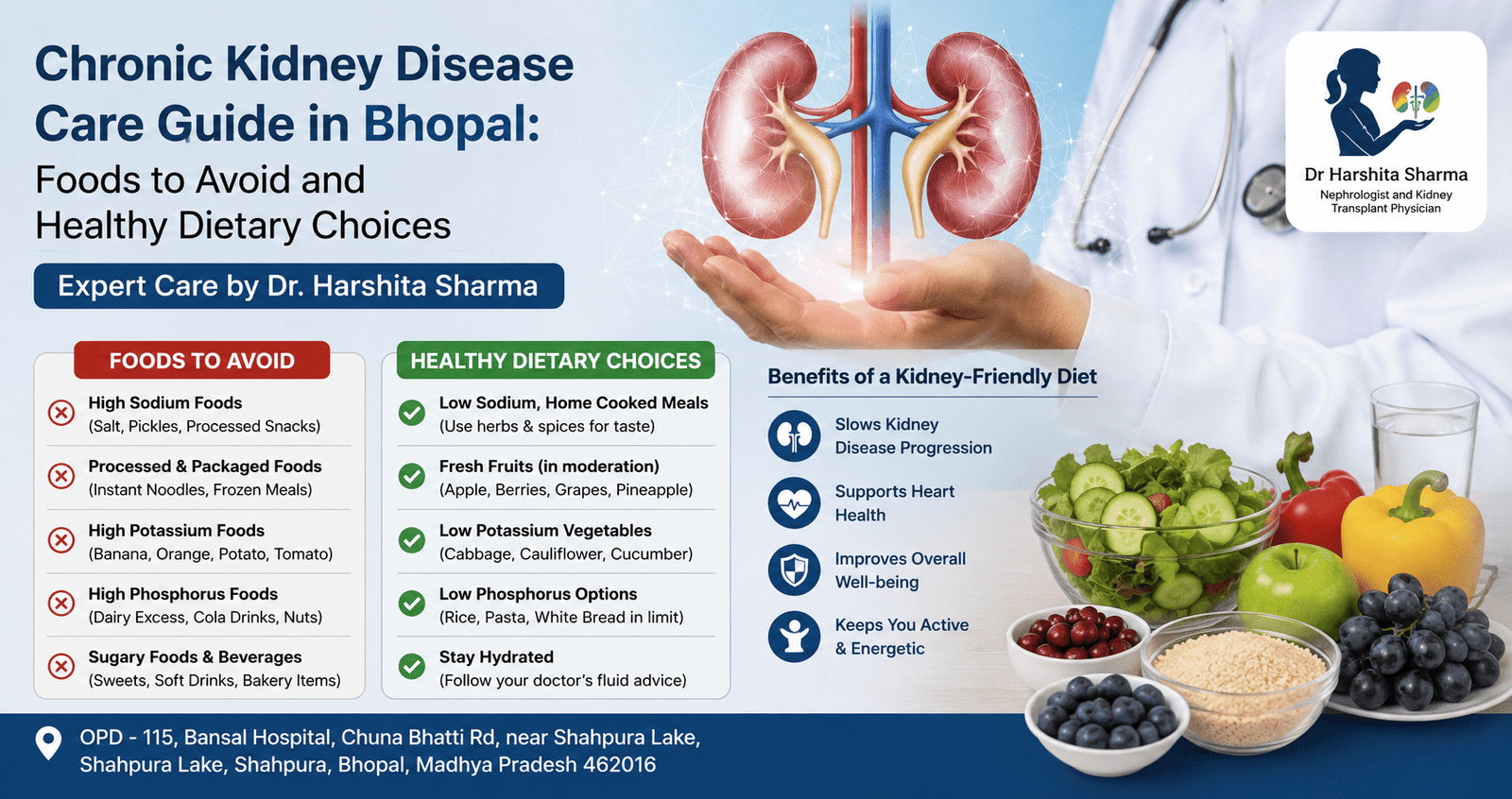
Benefits of a Kidney-Friendly Diet Include:
- Better blood pressure control
- Improved energy levels
- Reduced fluid retention
- Lower risk of complications
- Slower progression of kidney disease
- Improved quality of life
Foods to Avoid in Chronic Kidney Disease
Certain foods can increase the workload on the kidneys and should be limited or avoided.
High-Sodium Foods
Excess sodium can increase blood pressure and cause fluid retention.
Avoid:
- Chips
- Instant noodles
- Packaged snacks
- Processed meats
- Fast food
- Pickles
- Frozen meals
Reducing salt intake is one of the most important dietary changes for CKD patients.
Foods High in Potassium
As kidney function declines, potassium can build up in the bloodstream and affect heart health.
Foods That May Require Restriction Include:
- Bananas
- Oranges
- Potatoes
- Tomatoes
- Avocados
- Coconut water
- Dry fruits
Not every CKD patient needs potassium restriction, so individualized guidance is essential.
High-Phosphorus Foods
Excess phosphorus can weaken bones and increase cardiovascular risks.
Foods High in Phosphorus Include:
- Processed cheese
- Chocolate
- Soft drinks
- Organ meats
- Packaged foods containing phosphate additives
Monitoring phosphorus intake becomes increasingly important in advanced kidney disease.
Processed and Packaged Foods
Processed foods often contain large amounts of sodium, preservatives, and unhealthy additives.
Examples Include:
- Burgers
- Pizza
- Frozen foods
- Sausages
- Packaged soups
These foods can negatively impact kidney function and overall health.
Sugary Foods and Beverages
People with diabetes-related kidney disease should carefully monitor sugar intake.
Limit:
- Soft drinks
- Energy drinks
- Candy
- Cakes
- Pastries
- Sweetened juices
Maintaining healthy blood sugar levels is crucial for protecting kidney function.
Healthy Dietary Choices for CKD Patients
A well-balanced diet can help support kidney health while ensuring adequate nutrition.
Fresh Fruits
Low-potassium fruits may be suitable for many CKD patients.
Examples Include:
- Apples
- Pears
- Grapes
- Berries
- Pineapple
Fruit choices should be individualized based on kidney function and blood test results.
Kidney-Friendly Vegetables
Certain vegetables are generally lower in potassium and suitable for many patients.
Examples Include:
- Cabbage
- Cauliflower
- Cucumber
- Bell peppers
- Onion
- Radish
Vegetable selection should always be guided by a nephrologist or dietitian.
High-Quality Protein
Protein remains important for maintaining muscle strength and tissue repair.
Healthy Protein Sources Include:
- Egg whites
- Fish
- Skinless chicken
- Lean meat
- Controlled portions of plant protein
Protein intake should be adjusted according to the stage of kidney disease.
Healthy Fats
Heart disease is common among CKD patients, making healthy fats an important part of the diet.
Choose:
- Olive oil
- Flaxseeds
- Chia seeds
- Unsalted nuts (when appropriate)
Healthy fats provide energy and support cardiovascular health.
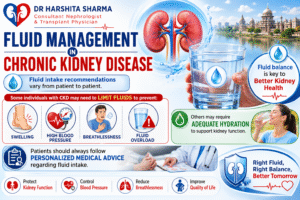
Fluid Management in Chronic Kidney Disease
Fluid intake recommendations vary from patient to patient.
Some individuals with CKD may need to limit fluids to prevent:
- Swelling
- High blood pressure
- Breathlessness
- Fluid overload
Others may require adequate hydration to support kidney function.
Patients should always follow personalized medical advice regarding fluid intake.
Lifestyle Changes That Support Kidney Health
Diet is only one part of CKD management. Healthy lifestyle habits also play a major role.
Exercise Regularly
Physical activity helps:
- Improve circulation
- Control blood pressure
- Maintain healthy body weight
- Improve energy levels
Aim for moderate exercise after consulting your healthcare provider.
Maintain Healthy Blood Pressure
Controlling blood pressure is essential for slowing kidney damage.
Control Blood Sugar Levels
People with diabetes should carefully monitor blood sugar levels and follow prescribed treatment plans.
Avoid Smoking
Smoking damages blood vessels and increases the risk of kidney disease progression.
Limit Alcohol Consumption
Excessive alcohol intake can negatively affect kidney function and overall health.
How Dr. Harshita Sharma Helps CKD Patients in Bhopal
Managing Chronic Kidney Disease requires specialized care and regular monitoring.
Dr. Harshita Sharma Provides:
- Comprehensive kidney evaluations
- Blood pressure management
- Dialysis guidance
- Nutritional counseling
- Medication management
- Kidney transplant care
- Long-term CKD monitoring
Her patient-centered approach focuses on improving health outcomes and helping patients maintain the best possible quality of life.
Why Patients Choose Dr. Harshita Sharma
Patients seeking a Nephrologist in Bhopal trust Dr. Harshita Sharma because of:
- Expertise in kidney disease management
- Advanced nephrology training
- Personalized treatment plans
- Compassionate patient care
- Evidence-based medical practices
- Focus on preventive kidney health
She works closely with patients and their families to ensure they understand their condition and treatment options.
Summary
Chronic Kidney Disease is a serious condition that requires ongoing medical care, healthy lifestyle choices, and proper dietary management. The foods we eat play a crucial role in protecting kidney function and reducing complications. Avoiding high-sodium, high-potassium, and processed foods while choosing kidney-friendly alternatives can significantly improve health outcomes.
With expert guidance from Dr. Harshita Sharma, patients can receive personalized care, nutritional advice, and comprehensive treatment for Chronic Kidney Disease in Bhopal.
FAQs – Chronic Kidney Disease Treatment in Bhopal
What foods should CKD patients avoid?
Patients may need to limit foods high in sodium, potassium, phosphorus, and processed ingredients depending on their kidney function.
Can diet improve kidney health?
A kidney-friendly diet can help slow disease progression and reduce complications.
Who should I consult for Chronic Kidney Disease in Bhopal?
Dr. Harshita Sharma is a Consultant Nephrologist in Bhopal who specializes in CKD diagnosis, treatment, and long-term management.
Can Chronic Kidney Disease be cured?
CKD is generally a long-term condition, but early diagnosis and proper management can slow its progression and improve quality of life.
Why is dietary management important in CKD?
Proper nutrition helps reduce kidney workload, control blood pressure, manage fluid balance, and support overall health.
Conclusion – Chronic Kidney Disease Care Guide in Bhopal
Chronic Kidney Disease can significantly affect overall health, but timely diagnosis, proper medical treatment, and healthy dietary choices can help patients live healthier lives. Understanding which foods to avoid and which foods support kidney function is an essential step in managing CKD effectively.
Dr. Harshita Sharma, a trusted Kidney Specialist and Nephrologist in Bhopal, provides comprehensive care for patients with Chronic Kidney Disease, dialysis needs, kidney transplantation, and other renal disorders. Through personalized treatment plans, dietary counseling, and long-term monitoring, she helps patients protect their kidney health and improve their quality of life. Patients looking for expert Chronic Kidney Disease Treatment in Bhopal can benefit from her dedicated and evidence-based approach to kidney care.